Australia and New Zealand
Both use a dark blue field with Union Jack elements and star patterns.


Focus: Compare the number and style of stars on the right side.
Comparison guide
Some country flags look easy until they appear side by side. This guide helps you compare similar flags, notice the details that matter, and avoid the mistakes that cost points during a quiz.
Both use a dark blue field with Union Jack elements and star patterns.
Focus: Compare the number and style of stars on the right side.
These two vertical tricolors are one of the classic quiz traps.

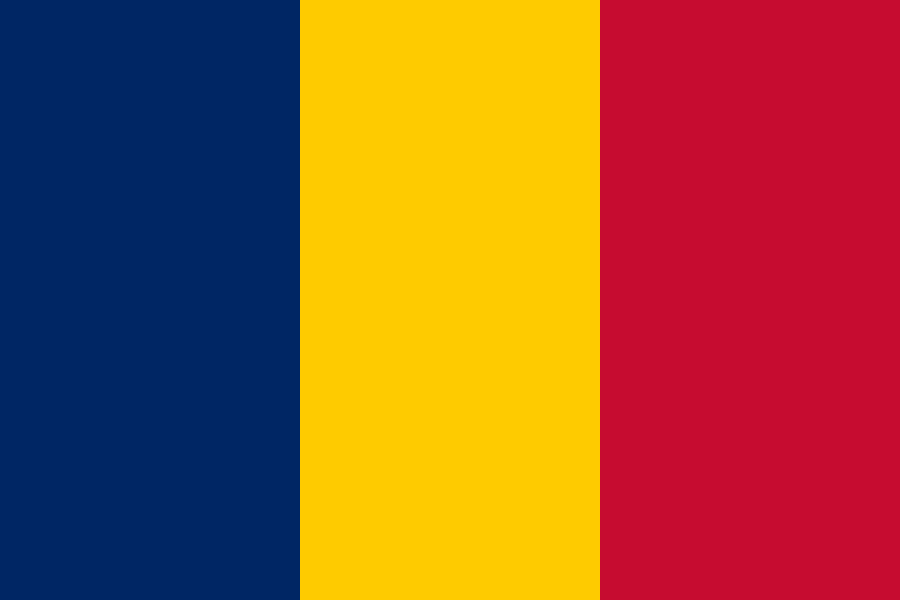
Focus: Watch the shade of blue and the country context, not just the three-color pattern.
All three share a yellow-blue-red layout derived from Gran Colombia.

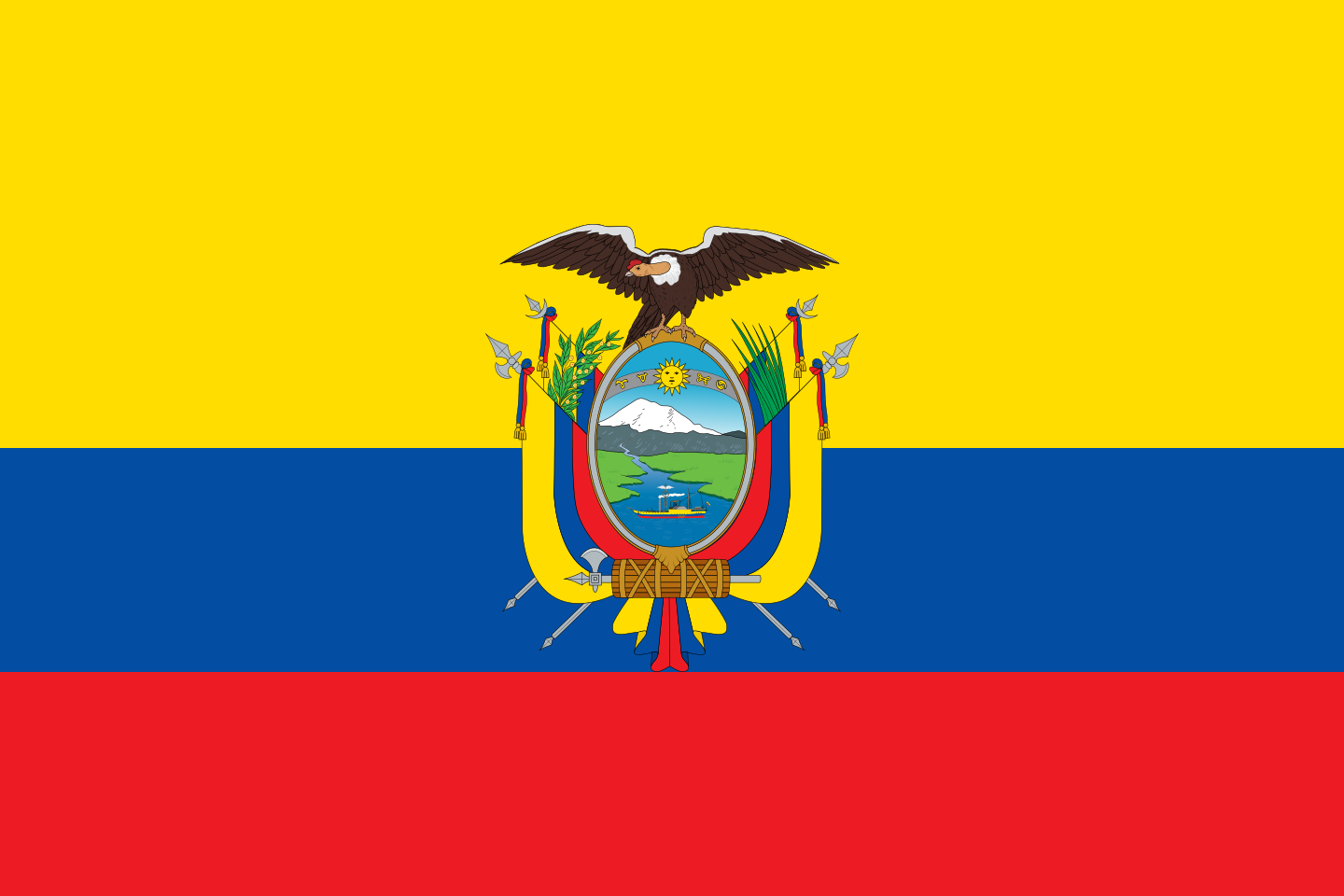
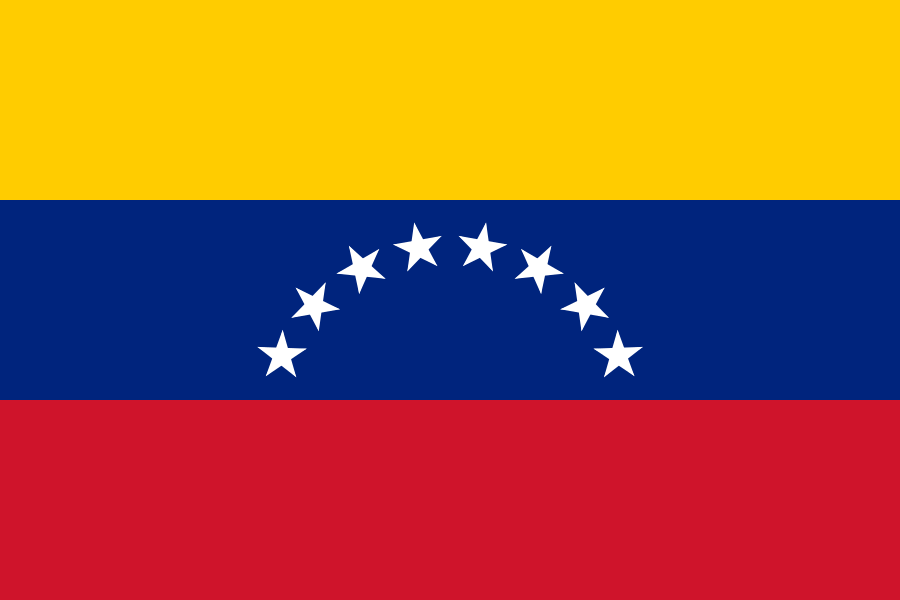
Focus: Look for coat of arms usage and stripe proportions.
The same three colors appear in reverse order, which makes quick guessing risky.

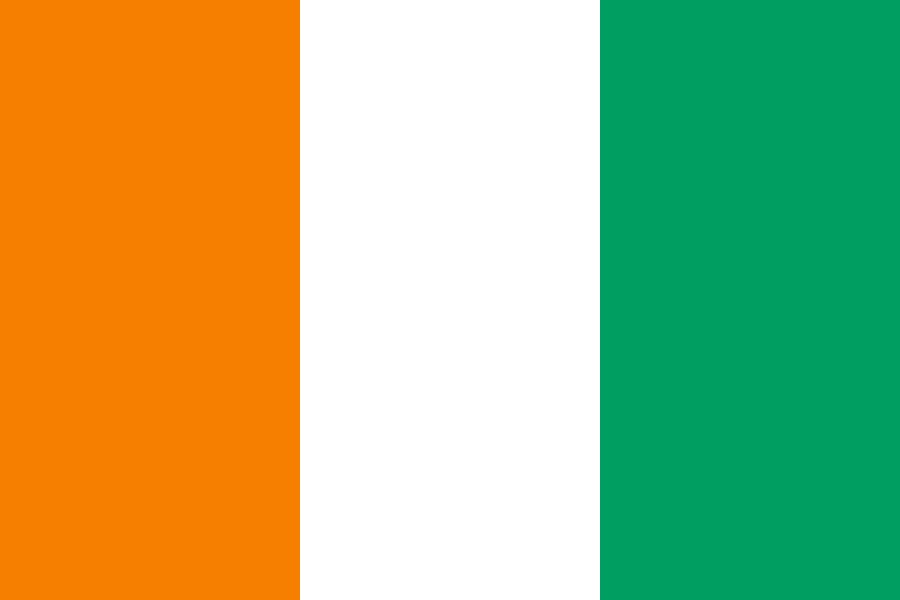
Focus: Pay attention to which side the green or orange stripe starts on.
Both are horizontal red-white-blue tricolors, but they are not identical.

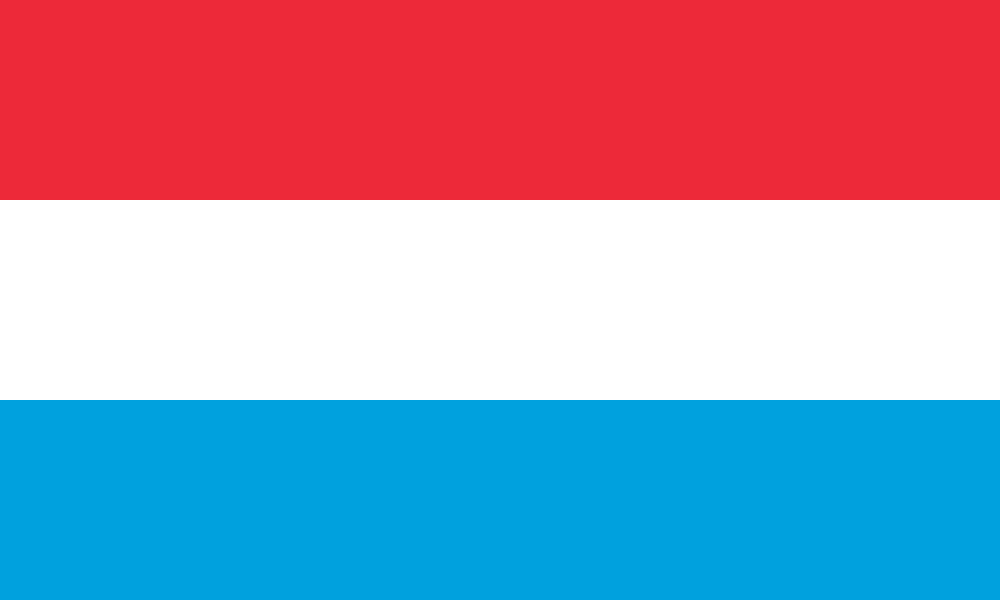
Focus: Look closely at the blue shade and overall visual tone.
These West African flags all use green, yellow, and red in vertical stripes.
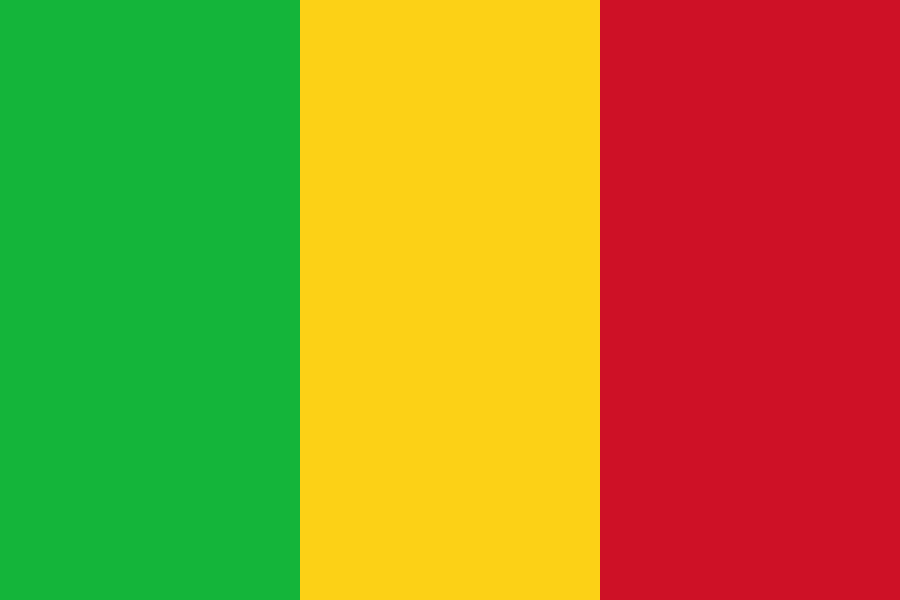
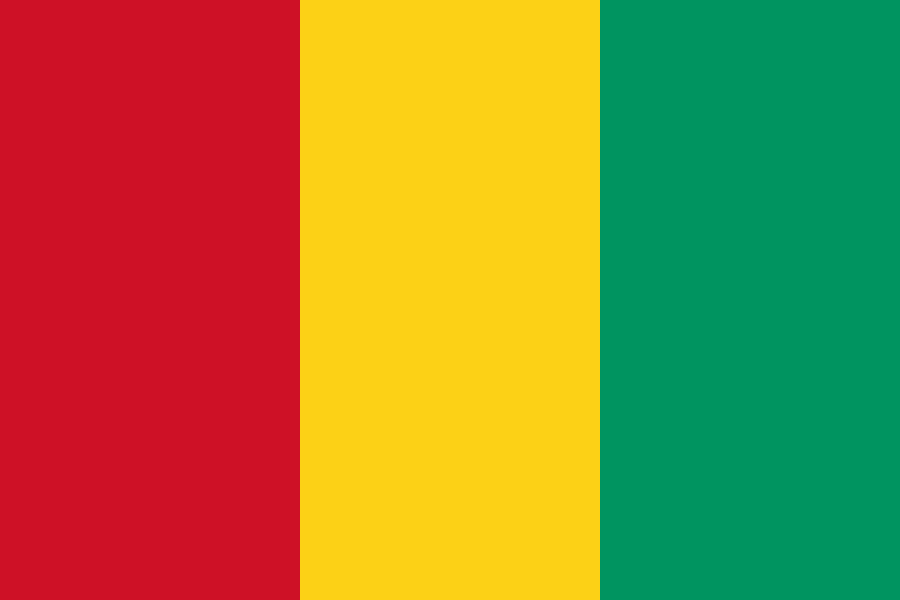
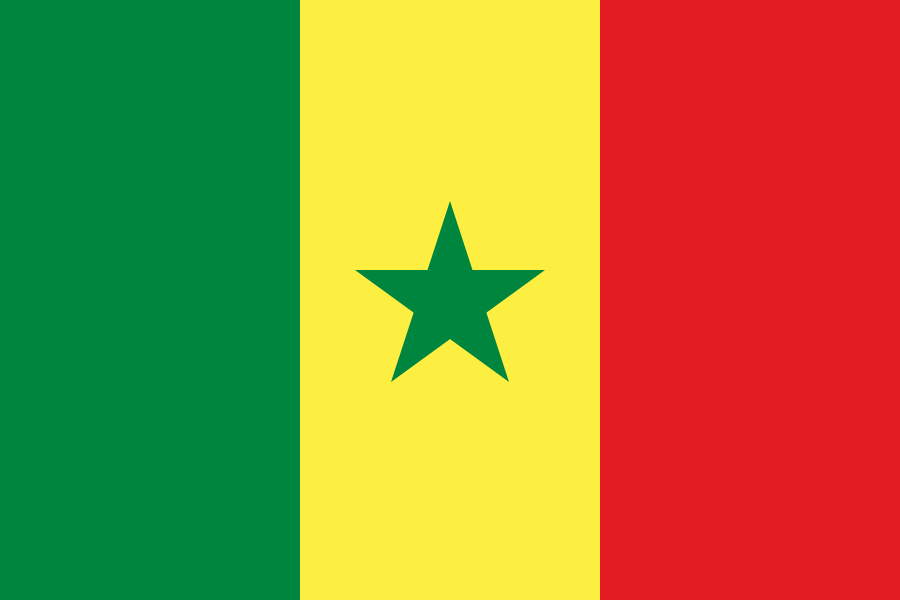
Focus: Notice the stripe order and whether there is a star in the center.
These European flags share pan-Slavic colors and can blur together in memory.
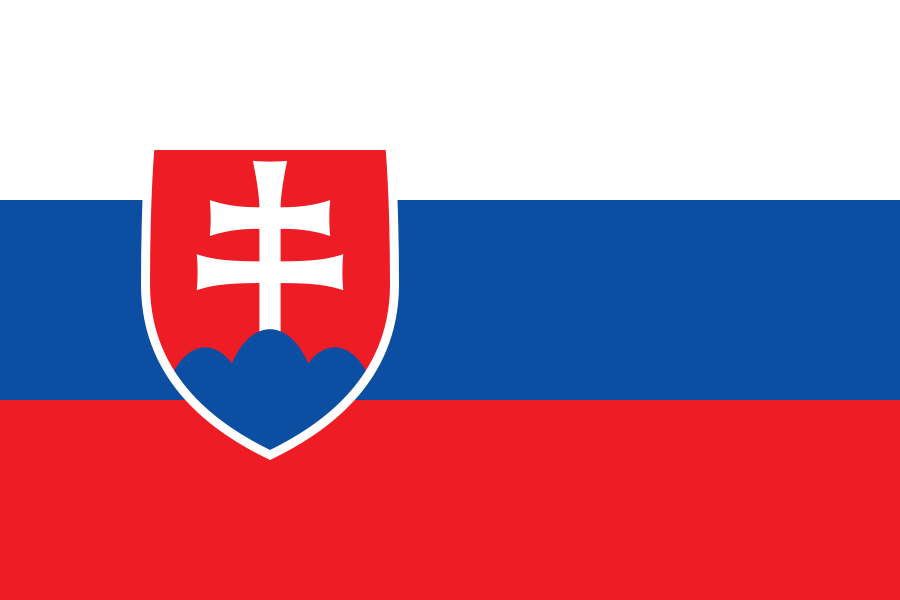


Focus: Use the shield design and stripe arrangement to tell them apart.
Many quiz mistakes happen because players recognize the general color pattern but miss the smaller differences. Learning similar flags in pairs or groups is one of the fastest ways to improve accuracy.
Study two or three similar flags together, then switch to a practice round immediately. The combination of comparison and testing helps the differences stick much faster.
After reviewing similar flags, jump into unlimited mode or a regional quiz to test what you remember.
Move into another quiz mode or open a reference page to reinforce what you just studied.